Goldsmiths event flowers guide for student ceremonies
Posted on 04/10/2026
Goldsmiths Event Flowers Guide for Student Ceremonies
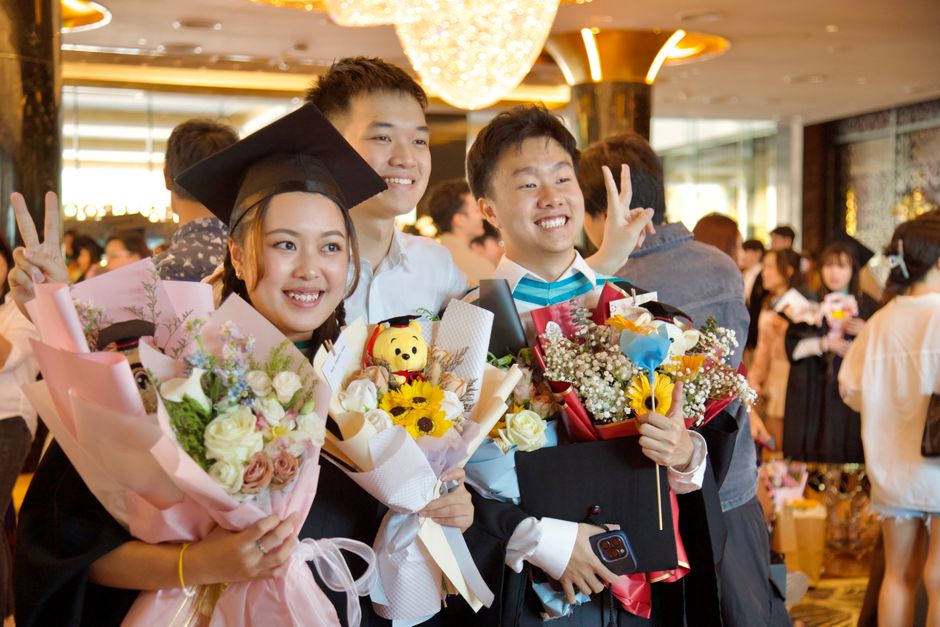
Student ceremonies at Goldsmiths have a special kind of energy. There's the buzz of families arriving, the last-minute fixing of gowns, the quick photos outside, and that slightly breathless feeling just before everyone takes their seats. In the middle of it all, flowers do more than decorate a room. They quietly shape the tone of the day. This Goldsmiths event flowers guide for student ceremonies is here to help you choose arrangements that feel polished, appropriate, and stress-free - without overcomplicating things.
Whether you are organising a graduation reception, supporting a department ceremony, or planning flowers for staff and student recognition, the decisions are usually the same: what suits the venue, what looks good in photos, what can be delivered on time, and what fits the budget. Sounds simple. It rarely is. Let's make it easier.
Table of Contents
- Why Goldsmiths event flowers guide for student ceremonies Matters
- How Goldsmiths event flowers guide for student ceremonies Works
- Key Benefits and Practical Advantages
- Who This Is For and When It Makes Sense
- Step-by-Step Guidance
- Expert Tips for Better Results
- Common Mistakes to Avoid
- Tools, Resources and Recommendations
- Law, Compliance, Standards, or Best Practice
- Options, Methods, or Comparison Table
- Case Study or Real-World Example
- Practical Checklist
- Conclusion
- Frequently Asked Questions
Why Goldsmiths event flowers guide for student ceremonies Matters
Flowers at student ceremonies are not just a nice extra. They help create a sense of occasion, guide the eye in photos, and soften spaces that can otherwise feel a bit functional. Lecture halls, foyers, reception tables, and stage areas often need a gentle lift. A thoughtful floral plan does that without getting in the way.
For Goldsmiths events, there is also a practical side. Student ceremonies usually run to a tight schedule, and the room may be used for multiple purposes on the same day. Arrangements need to be easy to place, easy to move if needed, and tidy enough to keep pathways clear. In our experience, the best ceremony flowers are the ones people notice in the right way - elegant, not loud, supportive rather than distracting.
There is also emotional value here. Graduation and recognition ceremonies are milestone moments. Parents may be taking hundreds of photos. Students may be looking for that one decent picture where they are not blinking. A well-chosen floral backdrop, table display, or stage arrangement helps everything feel considered. That matters more than people admit.
And if you are planning on behalf of a department or committee, flowers can quietly signal professionalism. They show that the event has been handled with care, which reflects well on the institution and the hosts. Little detail, big effect. Funny how that works.
How Goldsmiths event flowers guide for student ceremonies Works
The basic process is straightforward, although the details matter. First, you decide where the flowers need to work hardest: entrance areas, registration tables, stage sides, speaker tables, or post-ceremony reception spaces. Then you choose a style that suits the event, venue, and audience. After that comes timing, delivery access, and setup.
A good flowers plan for a student ceremony usually follows this sequence:
- Assess the event format. Is it a formal graduation, an award ceremony, an open day celebration, or a small academic gathering?
- Map the venue. Identify where flowers can safely sit without blocking lines of sight, access routes, or photography areas.
- Choose the right scale. Large arrangements suit stages and entrances; smaller pieces work better on tables and podiums.
- Select colours and flowers. Use tones that match the occasion and the surrounding branding or academic dress.
- Confirm delivery timing. Flowers should arrive close enough to stay fresh, but with enough time for placement and adjustments.
- Plan who handles setup. Will the florist install the flowers, or does the venue team need a simple drop-off arrangement?
- Check maintenance needs. Some flowers need a little water and careful positioning, especially if the event lasts all day.
That is the practical spine of it. The creative bit sits on top of that. To be fair, you do not need a dramatic floral concept for a student ceremony. What you need is calm, clean, and reliable. If the flowers look good at 9am and still look good when the final family photo is being taken at 4pm, the job has been done properly.
For many organisers, browsing relevant collections such as congratulations flowers or broader any occasion arrangements is a sensible starting point. It helps narrow the mood before you begin adjusting for venue and budget.
Key Benefits and Practical Advantages
A well-planned floral scheme gives you more than decoration. It gives the event structure, consistency, and a little warmth in the room. That may sound soft, but you will notice it immediately when the first guests walk in.
- Better first impressions: Flowers soften plain areas and make the event feel intentional from the start.
- Improved photo backdrops: Subtle arrangements frame faces and gowns without stealing attention.
- Clear event identity: Colours and flowers can reflect the mood of the ceremony or department.
- Simple way to elevate budget-conscious events: Even a few carefully placed arrangements can lift the whole space.
- More welcoming atmosphere: Flowers make formal spaces feel less stiff and more human.
- Easy to tailor: You can scale up for larger ceremonies or keep things minimal for smaller groups.
There is a quieter advantage too: flowers help organisers look organised. When a room has a sense of flow - neat table pieces, clear stage lines, and a considered colour palette - it usually means the rest of the event will feel smoother as well. Guests may not say it out loud, but they notice.
If the event needs a modest, smart look, single-colour options such as white flowers or mixed colours are often flexible choices. White reads as clean and formal. Mixed tones can feel more celebratory and less strict. Both can work well, depending on the room.
Who This Is For and When It Makes Sense
This guide is useful for a few different people, and the needs are not all the same. That is where the planning becomes interesting.
- Event organisers: If you are responsible for the ceremony itself, you need reliable flowers that fit the schedule and layout.
- University teams: Department staff, student experience teams, and admin coordinators often need a simple, professional floral plan.
- Graduating students or families: Sometimes you want flowers for a post-ceremony lunch, photo moment, or small celebration nearby.
- Venue or hospitality coordinators: You may need arrangements that can be set up quickly and removed without fuss.
- Corporate sponsors or partners: Flowers can help brand the event respectfully without turning it into an advert. Nobody wants that.
It makes sense to use this guide when the ceremony has a presentation area, reception space, or photo section that would benefit from a visual focal point. It also makes sense if you are working with a fairly tight schedule and want to avoid endless decisions. Sometimes the smartest move is simply choosing the cleanest, most dependable option and moving on.
For more formal celebrations, florals linked to the wider wedding-style or presentation aesthetic can be useful. Collections like wedding flowers may sound unrelated at first, but their structured shapes and polished finishes often translate well to ceremonial settings. It is the look, not the label, that matters.
Step-by-Step Guidance
If you are planning flowers for a Goldsmiths student ceremony, work through the process in a practical order. That keeps the choices manageable and helps you avoid late surprises.
1. Start with the venue shape, not the flowers
Before you think about roses or lilies, look at the actual space. Where will people walk? Where will the speakers stand? Where will photographers need room? Flowers should support movement, not interrupt it. This is especially important in compact indoor spaces where every table and doorway matters.
2. Decide the main purpose of the flowers
Are they mainly for the stage, the entrance, the reception table, or photographs? Each purpose needs a slightly different design. Stage arrangements need height and balance. Table pieces need neatness. Photo flowers need good colour and a clean background. One arrangement can sometimes do two jobs, but not always.
3. Choose a colour story
For student ceremonies, neutral whites, soft purples, pale pinks, and mixed seasonal shades are common choices because they feel celebratory without clashing with academic robes. If you want something more striking, yellow or richer mixed tones can brighten a grey London day nicely. You know the sort - drizzle outside, warm room inside, everyone pretending the weather is part of the plan.
4. Match flower type to durability
Not every bloom behaves the same way over a long event. Sturdier stems and structured flowers often hold better for ceremonies that last several hours. Soft, delicate petals can be beautiful, but they may need more careful handling. If the event is likely to be busy and warm, choose with that in mind.
5. Confirm the delivery and setup window
This is where small mistakes create big headaches. Ask when the venue opens, who can receive the delivery, and whether there is a tight gap before guests arrive. A florist can do excellent work, but if the flowers turn up too early or too late, the rest becomes messy. Timing is everything. A little boring, yes. Also absolutely essential.
6. Add backup thinking
Think about what happens if a table moves, a speech area changes, or a display needs to be shifted for filming. A practical flower plan leaves room for small adjustments. That way, the event team can breathe instead of panic-walking around the room five minutes before the first guest enters.
Expert Tips for Better Results
Here is where experience saves you time. Most of these points are simple, but simple is often what works best.
- Use fewer, better-placed arrangements. Three strong displays usually beat six awkward ones.
- Keep sight lines open. Flowers should frame the speaker and stage, not hide them.
- Choose clean vessels and tidy mechanics. Ceremony flowers should look refined from every angle.
- Balance scent carefully. Strong fragrance can be lovely, but in enclosed spaces it may feel overwhelming. A little goes a long way.
- Think in photographs, not just in person. Colours that look subtle in the room may disappear on camera.
- Ask about substitutions early. If a specific bloom is unavailable, a good florist should offer a close alternative that keeps the same style.
- Keep the colour palette consistent. A messy mix can make the whole setup feel less considered.
A small but important tip: if there will be a lot of group photos, avoid arrangements that are too low and too wide. They can hide shoes, hems, and the lower half of people who are already trying not to fidget. Not ideal.
For dependable, easy-to-style options, browsing a local florist in New Cross SE14 can help you find something that suits both the event and the logistics. Local knowledge often matters more than people expect.
Common Mistakes to Avoid
Most flower problems at student ceremonies are avoidable. The trouble is they usually show up when everyone is already busy. Here are the ones we see most often.
- Choosing arrangements that are too large: Big does not always mean better. Sometimes it just means harder to place.
- Ignoring the room lighting: Dark corners, warm spotlights, and daylight from windows can all change how flowers look.
- Forgetting the walkways: Guests should never need to step around a display or squeeze past a stand.
- Leaving delivery too late: Ceremony days move quickly. A narrow delivery window adds avoidable stress.
- Using the wrong tone for the occasion: Very romantic or overly casual flowers may feel off in a formal academic setting.
- Not checking with the venue: Some spaces have rules around placement, height, water, or access.
There is one more mistake worth mentioning: overthinking it. Honestly, a lot of event planning gets stuck because someone tries to make the flowers tell a whole story. They do not need to. They need to look good, feel appropriate, and arrive on time. That is enough, and it is a lot.
Tools, Resources and Recommendations
You do not need a complicated toolkit, but a few practical resources make planning smoother.
- Venue floor plan: Even a rough layout helps you spot delivery routes and display positions.
- Guest flow plan: Know where people will enter, queue, sit, and take photos.
- Colour reference images: A few saved examples can stop misunderstandings between organiser and florist.
- Budget note: Decide early whether the spend is per display, per area, or for the whole event.
- Backup contact list: Useful on a busy ceremony day when someone needs to answer the door or direct a delivery driver.
In terms of product style, some arrangements are especially useful for ceremonies because they are clean, compact, and easy to position. For example, flowers in a vase can be practical for reception tables, while luxury flowers may suit a more formal front-of-house setting. For smaller budgets, cheap flowers can still look polished if the colour and container are chosen well.
When ceremonies include multiple touchpoints, it can help to spread the floral spend across a few anchor areas instead of trying to decorate everything. A focal point at the entrance, a smaller piece at the registration table, and one or two presentation arrangements is often enough. Simple wins again.
Law, Compliance, Standards, or Best Practice
For student ceremonies, the main compliance issues are usually practical rather than legal. That said, best practice still matters, especially in public or institutional spaces.
First, check the venue's rules on deliveries, setup times, and access. Many London venues and educational buildings have specific windows for loading in and loading out, plus restrictions on fire exits, corridors, and cables or trip hazards. Flowers themselves are not usually the problem. The stands, buckets, packaging, and delivery timing can be.
Second, keep health and safety in mind. Displays should be stable, free from spills, and positioned so they do not obstruct movement. If you are using water containers, make sure they are secure. If the event is indoors with polished floors, a little moisture can become a slip risk. Tricky little thing, that.
Third, follow any accessibility expectations for the venue. Flowers should not block wheelchair routes, seating areas, or essential signage. If the ceremony is for a diverse audience, it is also sensible to be mindful of strong fragrance and allergy sensitivity. Best practice is to keep arrangements attractive but not overpowering.
Finally, if the flowers are being delivered to a university or managed site, ensure there is a clear named contact. Reception teams are usually helpful, but they are not mind readers. A precise arrival note saves everyone a headache.
Options, Methods, or Comparison Table
Different flower formats suit different ceremony needs. Here is a simple comparison to help narrow the choice.
| Option | Best for | Strengths | Watch out for |
|---|---|---|---|
| Large stage arrangements | Formal presentations and speaking areas | Strong visual impact, good photo framing | Can block sight lines if oversized |
| Table vases | Registration, reception, and refreshment tables | Neat, flexible, easy to move | Should not be too tall or fragrant |
| Compact bouquets | Small gifts, staff recognition, or family celebrations | Easy to carry, personal, lower cost | Less impact in large halls |
| Mixed seasonal arrangements | Celebratory student events with a relaxed tone | Colourful, lively, adaptable | Needs careful colour balancing |
| Single-colour arrangements | Formal ceremonies and branded events | Clean, elegant, consistent | Can feel plain if styling is too minimal |
If you are unsure, a florist-choice option is often a sensible route. It gives the florist room to work with what is freshest and most suitable on the day, while still keeping the general brief. That can be especially handy for busy graduation periods when timings are tight and preferences are broad.
Products such as florist choice can be a practical middle ground when you want the flowers to feel professional without locking yourself into one exact stem combination.
Case Study or Real-World Example
Here is a realistic example from a student ceremony setup, the kind of thing that happens all the time. A small academic team needed flowers for a graduation reception in a modest indoor space. The room had a welcome desk near the entrance, a speaking area at one end, and a cluster of tables for families. They wanted the event to feel warm, but not overly decorated.
The final plan was simple: one larger arrangement for the entrance table, two matching pieces near the speaker area, and smaller vase arrangements for the reception tables. The colours stayed light and clean, with a touch of seasonal variation so the room did not feel too severe. Delivery was booked for the morning, with time for setup before guests arrived.
The result was exactly what they needed. Nothing shouted. The room felt calmer, the photos looked more polished, and the organisers did not spend the day moving flowers around to get them out of the way. That last bit is worth its weight in gold, honestly.
This is a good reminder that student ceremony flowers do not need to be extravagant to work well. They just need to be placed with care. A few well-judged arrangements often create a stronger impression than a room filled with random bits and pieces.
Practical Checklist
Use this checklist before finalising your flowers for a Goldsmiths student ceremony:
- Confirm the ceremony date, time, and venue access window.
- Identify the key floral zones: entrance, stage, tables, and photo points.
- Check any venue rules about delivery, setup, water, or height.
- Choose a colour palette that suits the formality of the event.
- Decide whether you want formal, seasonal, modern, or mixed-style flowers.
- Keep fragrance in mind for enclosed spaces and mixed audiences.
- Make sure pathways and sight lines stay clear.
- Confirm who will receive the delivery and where it should go.
- Ask about substitutions if specific flowers are unavailable.
- Review the final order against the event budget and setup plan.
It is a simple list, but it prevents most avoidable problems. And let's be honest, ceremony days already have enough moving parts without adding floral confusion into the mix.
Get a free quote today and see how much you can save.
Conclusion
Choosing flowers for a Goldsmiths student ceremony is really about balance: formal but welcoming, elegant but practical, memorable but not fussy. When you get that balance right, the whole event feels more complete. Guests settle in more easily. Photos look better. The room feels cared for. Small things, yes, but they add up.
If you remember only one thing from this guide, make it this: the best ceremony flowers are the ones that support the event rather than compete with it. Start with the venue, keep the timing tight, choose a clear colour story, and keep the setup simple. That approach rarely fails.
And if you are still deciding, that is normal. Take one more look at the room, the audience, and the tone you want to create. The right choice usually becomes obvious once the purpose is clear. Bit of a relief, really.
Frequently Asked Questions
What flowers work best for student ceremonies at Goldsmiths?
Clean, structured flowers usually work best. White, mixed seasonal shades, soft pinks, purples, and tasteful yellow accents are all good choices because they suit formal spaces and photographs without feeling overdone.
How many floral arrangements do I need for a ceremony?
That depends on the room size and layout. Many events only need a few well-placed arrangements: one for the entrance, one or two near the stage, and smaller pieces for reception tables if needed. More is not always better.
Should ceremony flowers be scented or unscented?
Light scent is fine in many cases, but strong fragrance can be distracting indoors. If the venue is small or busy, it is usually safer to keep fragrance subtle.
Can I use budget flowers and still make the event look professional?
Yes. A limited budget can still go a long way if the arrangement style is clean and the colour palette is consistent. Placement and presentation matter just as much as flower cost.
What is the safest flower style for a formal academic event?
Compact, elegant arrangements tend to be the safest option. They feel polished, do not block sight lines, and work well in photos. A florist-choice design can also be a good route if you want something refined without fixing every detail yourself.
How early should flowers be delivered for a student ceremony?
They should usually arrive with enough time for setup, but not so early that they sit around for hours before guests arrive. The ideal window depends on venue access, installation needs, and the event timetable.
Do I need to ask the venue before ordering flowers?
Yes, definitely. Venue rules can affect delivery access, placement, water use, and setup timing. A quick check can save a lot of last-minute stress.
What colours are most suitable for graduation flowers?
White, purple, pink, cream, and mixed seasonal colours are all popular because they look elegant and photograph well. If you want a brighter feel, soft yellow or mixed tones can work beautifully too.
Can flowers be reused after the ceremony?
Often, yes. Smaller arrangements can sometimes be moved to a reception, family meal, or staff area. It is worth planning with reuse in mind if you want to get the most value from them.
What should I avoid when planning flowers for a ceremony?
Avoid oversized arrangements, heavy fragrance, awkward placement, and anything that blocks walkways or photo areas. The most common problems are simple ones, which is annoying, but also good news because they are easy to prevent.
Is florist choice a good option for student ceremonies?
Yes, it often is. Florist choice lets the florist work with the freshest blooms available while still keeping to the event brief. It is a sensible option when you want quality and flexibility without over-specifying every detail.
How do I make flowers look good in ceremony photos?
Choose colours that contrast gently with the room, keep arrangements tidy, and place them where they frame rather than hide people. Good photo flowers should support the scene, not become the scene.